This is default featured slide 1 title

Go to Blogger edit html and find these sentences.Now replace these sentences with your own descriptions.This theme is Bloggerized by Lasantha Bandara - Premiumbloggertemplates.com.

This is default featured slide 2 title

Go to Blogger edit html and find these sentences.Now replace these sentences with your own descriptions.This theme is Bloggerized by Lasantha Bandara - Premiumbloggertemplates.com.

This is default featured slide 3 title

Go to Blogger edit html and find these sentences.Now replace these sentences with your own descriptions.This theme is Bloggerized by Lasantha Bandara - Premiumbloggertemplates.com.

This is default featured slide 4 title

Go to Blogger edit html and find these sentences.Now replace these sentences with your own descriptions.This theme is Bloggerized by Lasantha Bandara - Premiumbloggertemplates.com.

This is default featured slide 5 title

Go to Blogger edit html and find these sentences.Now replace these sentences with your own descriptions.This theme is Bloggerized by Lasantha Bandara - Premiumbloggertemplates.com.

Saturday, October 30, 2021

Mobile games

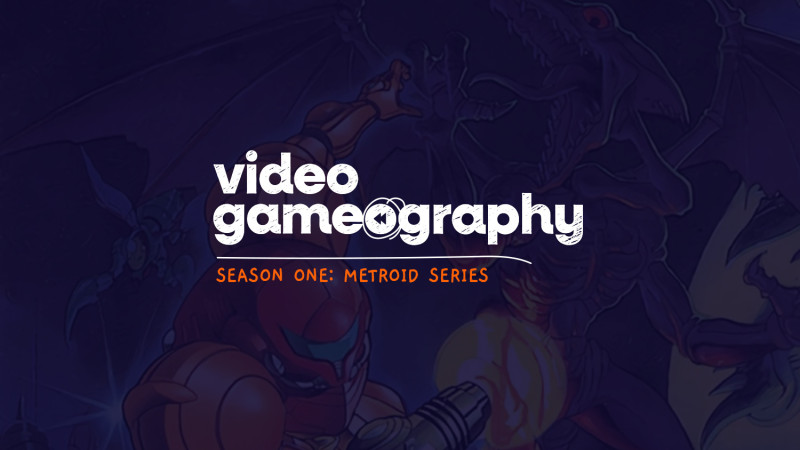
The first season of Game Informer’s Video Gameography explores the history of the Metroid series. After running down Samus' classic debut and handheld outing, we’re moving onto the most influential entry in the series: Super Metroid.

Released on April 18, 1994 for Nintendo's Super Nintendo Entertainment System, Super Metroid sold well enough at the time, but its legend has only grown over time as more and more titles take inspiration from Samus' haunting adventure across the planet Zebes. Developed by Nintendo R&D1 with a staff of 15, and directed by Yoshio Sakamoto, Super Metroid is widely considered one of the greatest – if not the greatest – game ever made. In this episode, we talk about Super Metroid's grueling development, its unique approach to cinematic storytelling, the ways it surprised players, and how it helped spawn the Metroidvania genre

Join hosts Ben Reeves (@BenjaminReeves), Marcus Stewart (@MarcusStewart7), and special guest, Game Informer alumni Joe Juba for the next hour as we explore Super Metroid's lore, development history, and lasting impact. 


If you'd like to get in touch with the Video Gameography podcast, you can email us at podcast@gameinformer.com. You can also join our official Game Informer Discord server by linking your Discord account to your Twitch account and subscribing to the Game Informer Twitch channel. From there, find the Video Gameography channel under "Community Spaces."


from Game Informer https://ift.tt/3jSvQyp
via IFTTT

Friday, October 29, 2021

Android Games

According to a new report from Kotaku and confirmed by The Verge, Nintendo has closed its offices in California and Toronto.

The shuttering of the office in Redwood City, California, affects around 100 employees within Nintendo's Sales and Marketing department, as well as its NMI, which is "a dedicated merchandising field team who work with retail stores across the country." Kotaku's article mentions "many of the now-displaced staff were upset over the decision." 

Nintendo has confirmed the closures in a statement to The Verge. Here is the statement in full: 

Nintendo of America headquarters are in Redmond, WA, and Vancouver, BC. We are moving more of our employees and operations into those headquarters and will be closing small satellite offices in Toronto, ON, and Redwood City, CA, over time. 

Devon Pritchard, Executive Vice President, Business Affairs and Publisher Relations for Nintendo of America (NOA), will assume interim leadership of Sales, Marketing and Communications following the departure of Nick Chavez. Ms. Pritchard will oversee strategy and execution of sales, marketing and communications across the U.S. and Canada

We don't yet know how many total jobs have actually been affected. From what we've learned in the above statement, many roles are relocating to Nintendo of America and Canada's headquarters. Due to the rise of hybrid and remote working solutions, the office closure may not necessarily mean jobs have been lost. The opportunity to relocate also looks to be on the table for some.

With the Redwood location reportedly being closed down, Nintendo's only offices on the West coast remain in the state of Washington, where its headquarters and distribution center call home.

The company recently released a new OLED model of the Switch, Metroid Dread, and added new Switch Online features (and a price bump to support it). For your weekly dose of audio Nintendo news and discussions, check out our podcast All Things Nintendo.


from Game Informer News https://ift.tt/3BtDN2U
via IFTTT

Mobile games

According to a new report from Kotaku and confirmed by The Verge, Nintendo has closed its offices in California and Toronto.

The shuttering of the office in Redwood City, California, affects around 100 employees within Nintendo's Sales and Marketing department, as well as its NMI, which is "a dedicated merchandising field team who work with retail stores across the country." Kotaku's article mentions "many of the now-displaced staff were upset over the decision." 

Nintendo has confirmed the closures in a statement to The Verge. Here is the statement in full: 

Nintendo of America headquarters are in Redmond, WA, and Vancouver, BC. We are moving more of our employees and operations into those headquarters and will be closing small satellite offices in Toronto, ON, and Redwood City, CA, over time. 

Devon Pritchard, Executive Vice President, Business Affairs and Publisher Relations for Nintendo of America (NOA), will assume interim leadership of Sales, Marketing and Communications following the departure of Nick Chavez. Ms. Pritchard will oversee strategy and execution of sales, marketing and communications across the U.S. and Canada

We don't yet know how many total jobs have actually been affected. From what we've learned in the above statement, many roles are relocating to Nintendo of America and Canada's headquarters. Due to the rise of hybrid and remote working solutions, the office closure may not necessarily mean jobs have been lost. The opportunity to relocate also looks to be on the table for some.

With the Redwood location reportedly being closed down, Nintendo's only offices on the West coast remain in the state of Washington, where its headquarters and distribution center call home.

The company recently released a new OLED model of the Switch, Metroid Dread, and added new Switch Online features (and a price bump to support it). For your weekly dose of audio Nintendo news and discussions, check out our podcast All Things Nintendo.


from Game Informer https://ift.tt/3BtDN2U
via IFTTT

Mobile games

With Halloween just days away, we thought it would be fun to post our Game Over page from issue 319 of Game Informer, highlighting some of the creepiest entries found within the Pokédex. Not every Pokémon is cute and cuddly, many are dangerous and pose a serious threat to the lives of others. Without further ado, here are The Scariest and Creepiest Entries in The Pokédex:

So, you wish Pokemon were real? Maybe reading these creepy facts from the various Pokémon games will make you think twice.

Gengar

Pokémon Sun and Moon

Gyarados

Pokémon Emerald

Houndoom

Pokémon Gold

Tyranitar

Pokémon Black and White

Carvanha

Pokémon Ruby

Banette

Pokémon Ultra Sun

Gorebyss

Pokémon Ultra Moon

Drifloon

Pokémon Sun

Froslass

Pokémon Sun

Gurdurr

Pokémon Black 2 and White 2

Thundurus

Pokémon Black

Honedge

Pokémon Y

Gourgeist

Pokémon Y

Bewear

Pokémon Moon

Palossand

Pokémon Moon

Mimikyu

Pokémon Ultra Moon

This article originally appeared in Issue">https://www.gameinformer.com/magazine">Issue 31https://www.gameinformer.com/magazine"; target="_blank">9 of Game Informer.


from Game Informer https://ift.tt/3nEcr5C
via IFTTT

Mobile games

Each year brings hundreds of new board and card games to the market, and even the recent dampener on social get-togethers hasn’t halted the flow. Without fail, in each year, some of the most popular themes include horror, monsters, magic, and mystery – perfect fits for a Halloween get-together.

Whether you’re looking to head to the game store and snag something for a game night this weekend, or you’re planning farther out, and you’re just a fan of games about things that go bump in the night, each of these recent releases provides a lovely evening of fun, with just the right mix of amusement and spooky vibes.
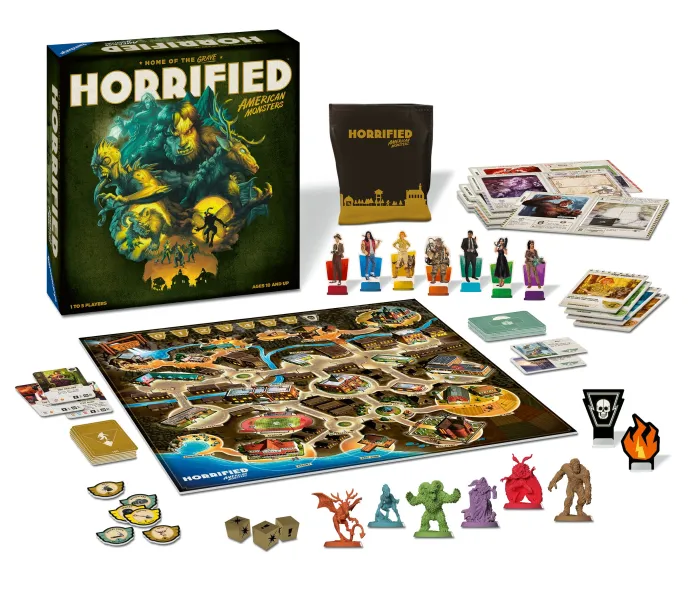

Horrified: American Monsters
Publisher: Ravensburger

A standalone follow-up to the original Horrified release from 2019, the new American Monsters variant offers enough new content to justify a purchase if you already loved the first one. However, this version is also a perfectly solid entry point if this is your first go-around. Where the first game featured baddies like Frankenstein’s Monster and Dracula in a decidedly 1930’s vibe, this new installment leaps us forward into the 1950s, with classically American mythology at play, including monsters like Bigfoot, Mothman, and the Jersey Devil. American Monsters avoids the label of being a reskin, because it does such a good job of making each monster (and how to defeat them) unique.

Players work together to range out across the board and halt the monsters as they terrorize a small town. Dynamic difficulty is as easy as choosing the number of monsters to place on the board; be warned that a four-monster assault is a recipe for a big challenge. The interactivity and cooperative play are especially gratifying, as each player leverages their character’s special skills to help save the day. It also must be said that the art team has done a stellar job recalling the 1950’s small-town horror aesthetic. Play this if you’re a fan of old-school Drive-In monster flicks, or you just want an especially accessible and easy to pick up cooperative experience.
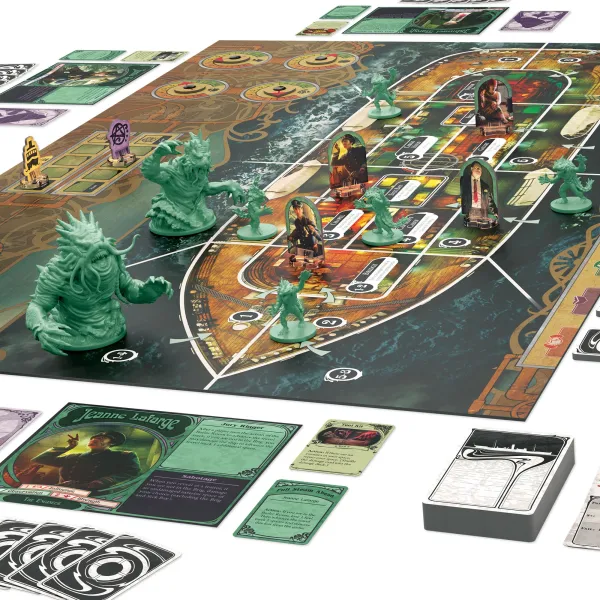
Unfathomable
Publisher: Fantasy Flight Games

To grasp the enthusiasm behind Unfathomable, a brief history lesson might be in order. Back in 2008, Fantasy Flight released a game based on the Battlestar Galactica TV show. It was a fantastic release, especially because it so ably captured the drama of that show, where most of the ship seemed to be working together, but traitor Cylons were secretly at work, undermining the team’s goals. That game fell out of print for the various licensed-related reasons you might expect, but excitement about the game hasn’t faded.

Unfathomable takes the bulk of that gameplay model, and reskins the experience into Fantasy Flight’s universe of Lovecraftian horror. Instead of a spaceship Galactica, it’s a steamship Atlantica on the way to Boston in 1913. And instead of Cylons, it’s Father Dagon, Mother Hydra, and the Deep Ones, gradually infiltrating and attacking, until they pull everyone down into the frigid depths.

As the game begins, everyone seems to be acting in concert, but at least one player is a hybrid, working counter to your interests, carefully swaying events to aid the monsters. In an especially amusing twist, you may play a significant chunk of the game before an awakening phase reveals that you’re also a hybrid, and your loyalties must shift if you want to win.

Unfathomable features dramatic turns and sometimes devastating swings of fate, especially if a traitor is able to maneuver themselves into a position that they can do real damage. But, of course, that’s half the fun of the game – no one should take winning as the only goal. Rather, enjoy the tension and knowing smiles that pass around the table, as well as the stunning art and miniatures that bring Unfathomable to life. It’s a wonderful revival of a clever game system from over a decade ago, and well worth the trip into the dark waters of the high seas.
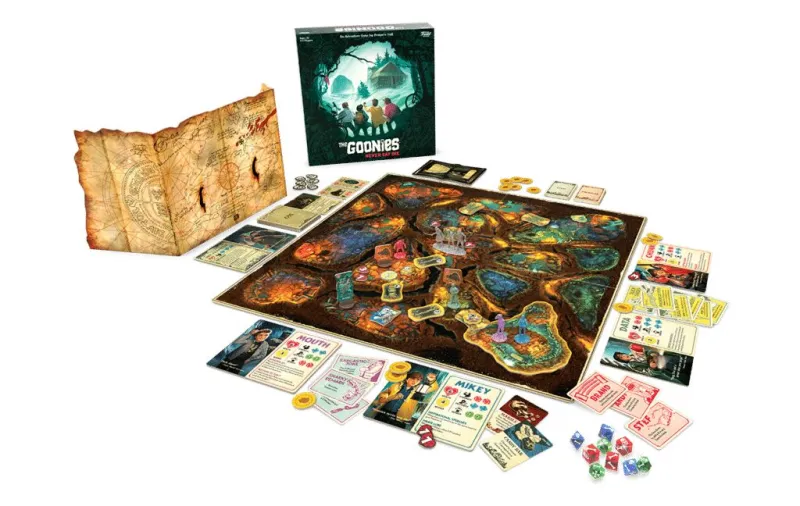
Goonies: Never Say Die
Publisher: Funko Games

With each passing year, The Goonies franchise feels like an increasingly dated reference. And yet the cult classic film maintains a strong and enthusiastic following – it’s just a ton of fun. There’s nothing explicitly “Halloween-y” about the new Goonies board game, but the combination of kids on a wild adventure, a supernatural-tinged pirate treasure hunt, and the threat of maniacal foes at your heels all feel uniquely suited to the holiday.

In the game, most of the players work together as one of the kids like Mikey or Chunk (and Sloth, of course), to outwit the villainous Fratelli family, and other foes they meet along the way. Those bad guys are controlled by the final player, who manages booby traps and other encounters to try to halt the Goonies from finding success and treasure. These adventures play out across nine distinct scenarios, which do a good job of following the movie’s threads, as well as expanding upon them.

Specifically targeted at devoted fans of the 80’s movie, it may be a very specific niche. But it’s still a wonderful game with tons of nods to the source fiction. If you really love what you find, you can even track down the “Under the Goondocks” expansion, which adds in the playable teen Goonies, three new adventures, and more.
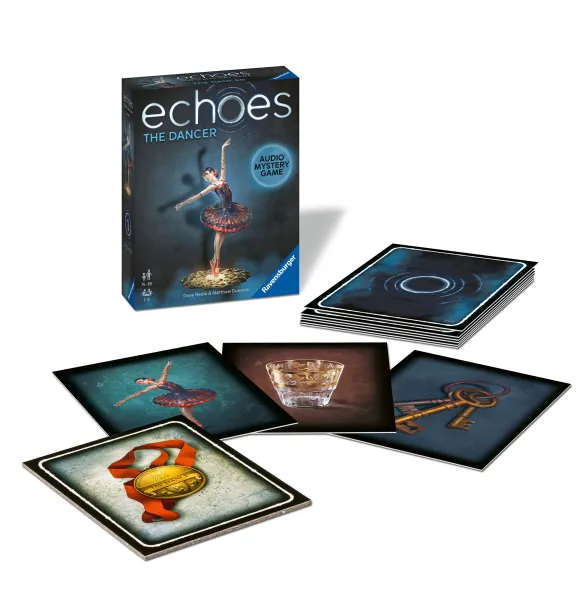
echoes: The Cocktail
Publisher: Ravensburger

If your spooky get-together is more about adults chilling out, rather than hardcore board gamers ready to learn a fancy new horror game, I’d like to introduce you to the echoes series. This is an audio mystery game that requires you to sync up to a smartphone app to play it. The game then plays out a mystery story told through a combination of audio storytelling on the app, and cards/board pieces that are laid out on the table. The schtick is that each player is an investigator that can hear the “echoes” of objects left behind. Scan the object, and listen closely to solve the puzzle.

I played “The Cocktail,” one of two initial offerings in this game series. In this installment, you’re trying to unravel the identity of a mysterious mob boss. A separate game/installment is also available; The Dancer is all about the ghost of a young girl in a Scottish country manor and how she died. Pick your poison.

Each game is really only meant to be played once by a given group – once you solve the puzzle, there’s not much reason to play again. But the novelty is definitely there, challenging the whole group to piece together the 24 parts of the story in the right order, each subdivided into different chapters. I love the way the game challenges everyone to pause and listen closely to the tiniest detail in the audio recordings, some of which can be key to moving the puzzle to the next step. Echoes is a great choice for fans of escape rooms, puzzles, and social play, and the relatively brief hour-long playtime won’t bog down the party. A single copy is inexpensive, so you won’t feel too let down when it’s all over, especially if you and your friends have a memorable puzzle-solving adventure along the way.
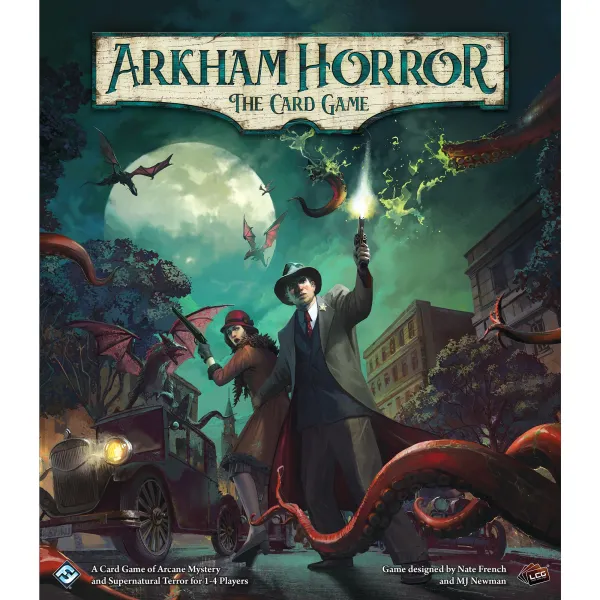
Arkham Horror: The Card Game – Revised Core Set
Publisher: Fantasy Flight Games

One of the best horror-themed games of the last decade, the Arkham Horror card game takes the popular universe of the board game and distills the same style of storytelling and adventuring into an awesome expandable card game. Players take on the role of characters in the small New England town of Arkham, racing against time to halt cultists, sanity-testing monsters, and world-devouring ancient monstrosities. The narrative is atmospheric and fun, and the gameplay is brisk and well-balanced, all about building out a deck of cards and managing threats at different locations. However, it’s the way each scenario connects to the next that will keep you engaged as you watch your choices echo out across the campaign.

The new revised core set wisely does not upset the Lovecraftian apple cart (don’t eat those!). If you are already a devoted player, this is not the purchase for you. Instead, this new core set nails a few important goals for new players. Perhaps most importantly, it supports four players instead of two with a single boxed set. It also adds a few cards that originally didn’t appear until later expansions, broadening the initial array of upgrade options for investigators. And it also reorganizes the box’s contents, with the goal of a faster pick-up-and-play experience.

If you’ve wanted a fun long-term campaign, rooted in horror overtones, but not overwhelming in complexity or mechanics, it’s an ideal offering from an established and well-liked franchise.
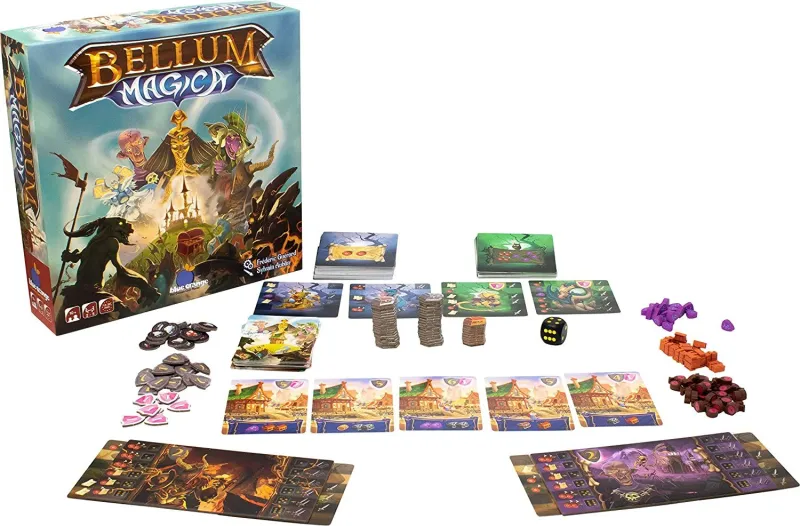
Bellum Magica
Publisher: Blue Orange Games

A big part of Halloween is getting to indulge in our darker impulses, at least in fun. As such, Bellum Magica is a superb fit for families or friend groups looking for an accessible and quick-to-learn engine building game. Players take on the role of evil overlords scrambling for power and control, but the whole thing is pretty playful and colorful, rather than dark and mean-spirited.

Engine building games demand that you gradually build a system of resources and units that increase in power and reach with each passing turn. In this case, you’re recruiting goblins and other dastardly creatures, which you can figuratively fling at either the hapless human kingdom or against your opposing evil warlord players. All the while, you’re gathering treasure and increasing your clawed grip on power.

In the sphere of strategy games, Bellum Magica has opted for light, quick, and thematic over complex and immaculately balanced. It’s easy for a single player to get steamrolled by everyone else for no particular reason, and dice-rolling adds a randomness at which many veteran players may scoff. But the less-than-an-hour playtime should be your hint that this is a game meant to be embraced for its wild swinging shifts of control and the fun of being the bad guy. If everyone can get on board with the concept, it’s a beautifully illustrated and amusing diversion.


If magic and horror aren’t your thing, there’s plenty of other wonderful tabletop games to discover over at our Top of the Table hub. As always, if you’d like a personalized recommendation for your next game night, don’t hesitate to drop me a line, and I’ll be happy to offer some suggestions. Happy Halloween!


from Game Informer https://ift.tt/3mujbDL
via IFTTT

Mobile games

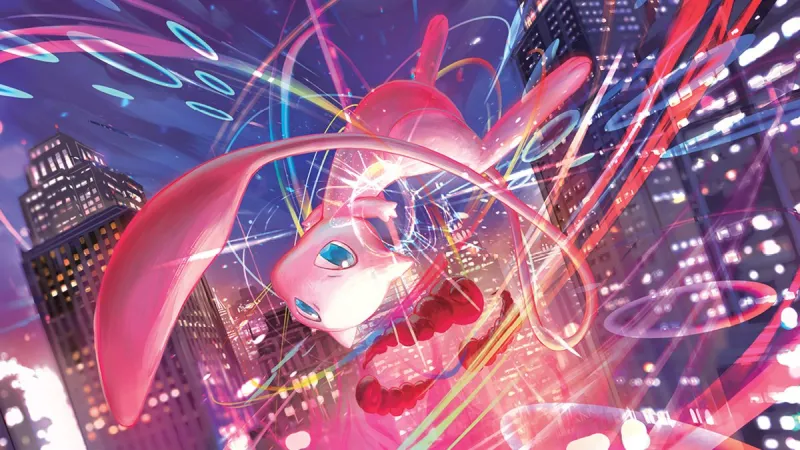
Earlier this month, the Pokémon Trading Card Game released its special Celebrations expansion to celebrate the 25th anniversary of the Pokémon franchise as a whole. While that limited expansion was focused squarely on the past, the world of Pokémon TCG pushes ahead with its newest expansion, Sword & Shield – Fusion Strike.

Earlier this year, The Pokémon Company released its Sword & Shield – Battle Styles expansion, which introduced a new mechanic that allows players to use special variants of Pokémon to either deliver a knockout blow or approach battles more strategically. This latest expansion, Sword & Shield – Fusion Strike, expands on that mechanic with new Fusion Strike cards that typically gain bonuses when other Pokémon with Fusion Strike are in play. The idea is to let players create synergies between their Pokémon through Fusion Strike Style decks.

The Fusion Strike expansion adds 20 Pokémon V, 13 full-art Pokémon V cards, and 8 Pokémon VMAX cards, including a few really awesome Mew cards. In addition, players can collect 20 new Trainer cards, plus 7 full-art Supporter cards and 1 special Energy card. 

The Pokémon Company sent us a ton of booster packs, which we cracked open. I noticed a definite emphasis on Gen I Pokémon when it came to standard cards, but as I look at the VMAX and full-art cards I pulled, the distribution across the generations feels pretty even. As much as I loved the standard Lapras, Snorlax, and Arcanine cards I pulled out of the packs (none of which are included in the gallery below), most of the full-art cards I pulled were not from Gen I.

You can see my favorite cards I pulled from the newest expansion below.

Click image thumbnails to view larger version


The Pokémon Trading Card Game: Sword & Shield – Fusion Strike expansion is available November 12. For all things Pokémon Trading Card Game, head to our special hub by clicking on the banner below!


from Game Informer https://ift.tt/3nA8TB2
via IFTTT

Mobile games

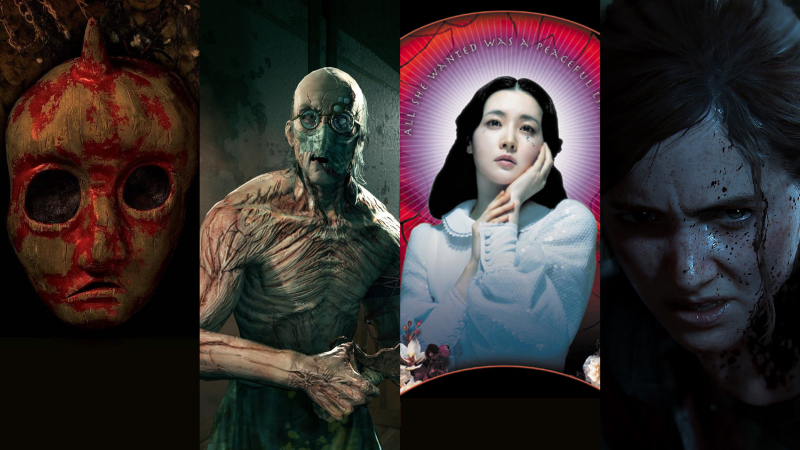
A few weeks ago, we published a detailed rundown of what horror games we think you should play this Halloween season. But with no trick or treating this year, you're going to have a lot of extra time on your hands to be scared. Luckily for you, Game Informer is always here to help. Rather than suggesting horror video games for you to play, this time we're here to run down some scary movies we think you should watch if you like things that go bump in the night. 

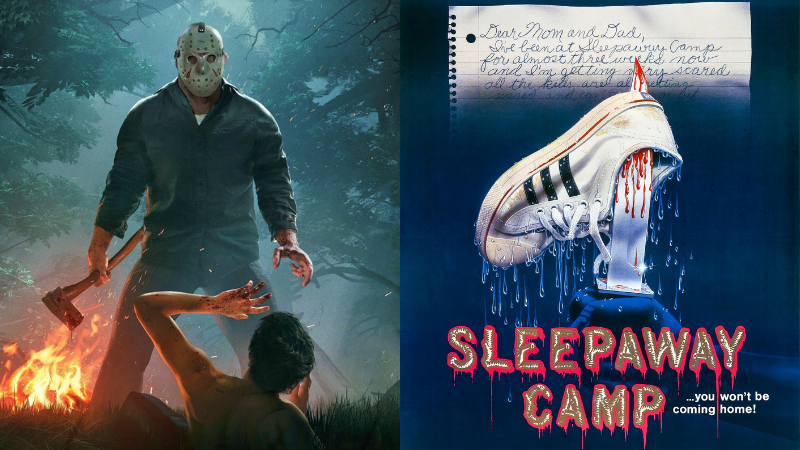
Did you like Friday the 13th: The Game? Check out Sleepaway Camp

It would be too easy to recommend a Friday the 13th movie here. Instead, you should watch the criminally underappreciated Sleepaway Camp. Released in 1983 by director Robert Hiltzik, Sleepaway Camp tells the story of Angela Baker and her stay at Camp Arawak. Angela doesn't quite fit in and is often bullied by the older kids at camp, or much worse, tried to be taken advantage of by the adults running the camp. Conspicuously, though, all these people die in very, very horrible ways. 

In a lot of ways, Sleepaway Camp is your run-of-the-mill slasher flick. A bunch of kids get up to some trouble, they die horribly, and it's all pretty cheesy and poorly acted. And you could argue some of the content in Sleepaway Camp has not aged gracefully by 2020 sensibilities (maybe check out Does The Dog Die before watching). On the other hand, there's an ambition to Sleepaway Camp that sets it apart from other slashers. Coming out in 1983, during the deluge of slashers trying to cash in on the success of 1978's Halloween, Sleepaway Camp tries to tell a story about being trapped in your own body and feeling uncomfortable in your own skin. As Bartłomiej Paszylk wrote, it's an "exceptionally bad movie but a very good slasher." In recent years, the movie has gained a strong cult following and even received some critical reevaluation.

Whether or not Sleepaway Camp pulls any of that off is up to the viewer, but it's an admirable attempt to do something smarter with a pretty boring genre. Interestingly, Hiltzik has only made two movies: Sleepaway Camp and 2008's Return to Sleepaway Camp, one of the many films in the series. Hiltzik, who is a New York City lawyer these days, reportedly was unaware the movie even had a following until he was approached to record a commentary for it in 2000. 

The hook of Sleepaway Camp, and the thing that's always mentioned by its fans, is its shocking ending. And for good reason. It is extremely shocking. I won't spoil it here, but the sound alone has bothered me ever since I first saw the movie. Count me among the biggest fans of this exceptional bad movie but very good slasher. 

Did you like Outlast? Check out Noroi: The Curse

A dime a dozen and still overpriced, found footage media is everywhere these days. It's relatively cheap to produce, easy to fill with jump scares, and easy to get bodies in seats. But there are some stand-outs, like the godfathers of the genre, The Blair Witch Project and Cannibal Holocaust. There's also Noroi: The Curse, which came out in 2005, two years before the first Paranormal Activity blew the genre wide open. 

This once-hard-to-find-outside-of-Japan horror movie is less of a found footage film and more of a scrapbook of different events tied together to tell a sort-of cohesive plot. Using "actual" found footage and that of news broadcasts, live shows, and old documentary footage, Noroi tells the story of Masafumi Kobayashi, a paranormal investigator who has since gone missing after his house burned down, as he looks into paranormal happenings around Tokyo and how they're connected. It all goes very poorly for Kobayashi. 

Noroi is never overtly scary. It believes in its story enough to allow fear to bubble in its viewer, dragging on, and building a slow burn before its final climax. It's also unafraid to be bleak. The movie never lets you out of its grips, never giving you a moment of brevity, always holding you down below the surface with it. If you're not tired of found footage movies, give this one a shot. It's a genuinely unique take on the genre and has some really disturbing moments that will stick with you.  

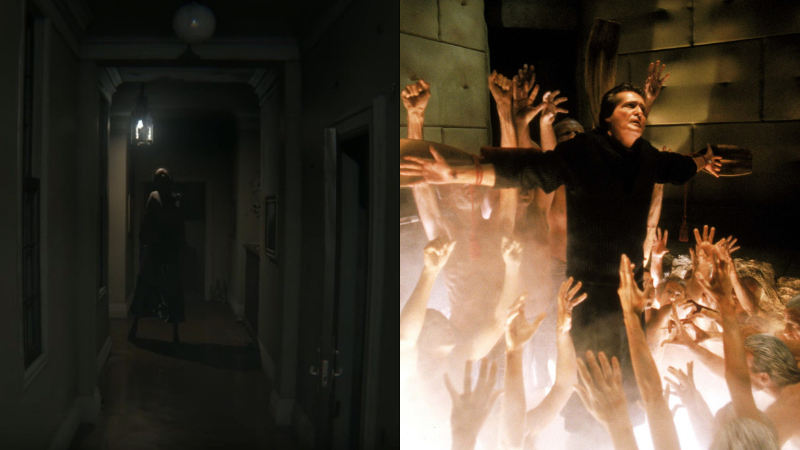
Did you like P.T.? Check out The Exorcist III

We couldn't do this list without including P.T., the "playable teaser" for Hideo Kojima's now-canceled Silent Hills game. It's against gamer law, actually. But it gives us a chance to talk about The Exorcist III, the best Exorcist film you've never seen. 

What ties P.T. and The Exorcist III together (aside from them both being somewhat about possession) is the persistent sense of dread in each. For the hour or two you play P.T., you are always on edge. From the opening seconds of The Exorcist III, a feeling of anxiety will be in the pit of your stomach, slowly rising as things get worse and worse. It is easily one of the tensest movies ever made. 

Taking place 15 years after the exorcism of Regan MacNeil in The Exorcist, and ignoring the events of Exorcist II: The Heretic, The Exorcist III follows Lieutenant William F. Kinderman, the investigator on the Dennings case in the first movie, as he attempts to solve a series of murders around the Georgetown neighborhood of Washington D.C., the setting for the original film. While fingerprints suggest these murders were perpetrated by different people, the method of murder used matches the killings of The Gemini Killer, Kinderman discovers. The only problem is The Gemini Killer was executed 15 years ago. Or maybe he wasn't, as it’s revealed a patient in the psychiatric ward of the hospital the movie largely takes place in was found 15 years ago catatonic and amnesic, until one day waking up claiming to be The Gemini Killer. 

It's not the most coherent plot, and the way the movie shoehorns in a relationship to the events of the original Exorcist movie are largely unneeded. However, once the movie gets going, it never stops. Only the second (and final) movie directed by William Peter Blatty, who wrote The Exorcist novel and film-adapted screenplay, The Exorcist III is a masterclass in restraint and suspension. Murders or violence are rarely shown on-screen, we're only given brief glimpses of the aftermath and detailed descriptions from characters, such as a body expertly drained of blood or a corpse stuffed full of rosaries. There is also the single best jump scare ever committed to film in this movie. I won't say anything other than it is horrific. 

Inevitably, The Exorcist III will forever live in the shadow of The Exorcist. And for what it's worth, I think there's merit to that. The Exorcist is one of the greatest movies ever made, much less one of the greatest horror movies ever made. But don't sleep on this sequel! It's easily available on streaming services and shows a writer-turned-director at the top of his game. 

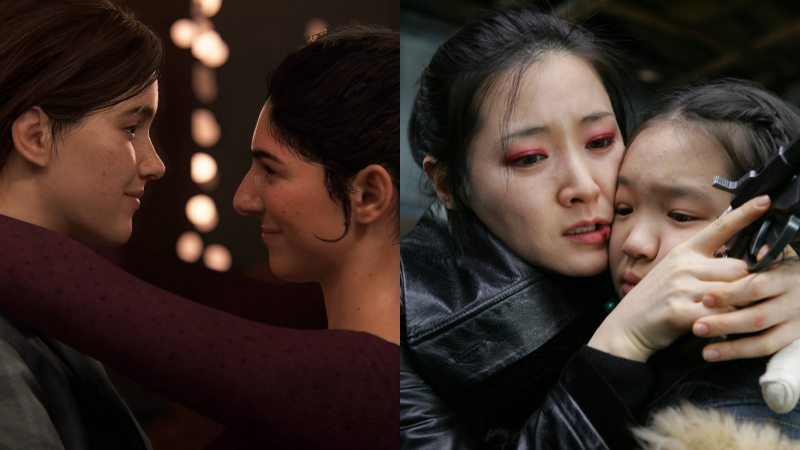
Did you like The Last of Us Part 2? Check out Lady Vengeance 

Okay, technically not a horror movie, but bear with me. Like The Last of Us Part 2 (which you could argue is also technically not a horror game), Lady Vengeance, as the name implies, is about revenge. And more than that, it's about the hollowness of revenge and the lengths in which we're willing to go to exact that vengeance. 

The final part in South Korean director Park Chan-wook's "Vengeance Trilogy," proceeded by Sympathy for Mr. Vengeance, starring Parasite's Park Dong-jin, and the critically-renowned Oldboy, Lady Vengeance tells the story of Lee Geum-ja as she gets out of prison after being convicted for the kidnapping and murder of a six-year-old boy 13 years earlier (might want to check out Does The Dog Die before watching this one, too). We learn that at one time Dong-jin became a sensation in South Korea because of the young age in which she admitted to committing her crime but has also become a beacon of the effectiveness of prison reform. It's worth pointing out, Lady Vengeance is full of twists and nothing is what it seems at first. 

Outside of prison, Dong-jin gets to work on her meticulously crafted plan for the revenge and murder of the man who landed her in prison. I'll stop short of saying anything else about the plot of the movie, but once you find out the true nature of what's going on in Lady Vengeance, what it lacks in traditional scares it makes up for with the true horror of human nature. 

For me, Lady Vengeance is the standout movie in the Vengeance Trilogy, though they're all worth watching. It's a beautiful film, and perhaps Park Chan-wook's most visually stunning until his 2016 psychosexual drama The Handmaiden. It's also unafraid to deeply examine human flaws, taking close looks at anger, betrayal, and what we're willing to do to feel justified in our actions. 


from Game Informer https://ift.tt/3nEc0rL
via IFTTT

Mobile games

Former Uncharted series director, Amy Hennig, has revealed that she's working on a Marvel game with Skydance Media. 

Skydance tapped Hennig to head up a new division within the studio to work on games heavily focused on narrative back in 2019; now we know more about her first game there ... well kinda. We know it's a Marvel game, but it's currently an unannounced title, so there's no telling which superheroes or villains we'll be playing as. However, we do know what kind of experience it will be. 

"Skydance New Media, the new interactive division of Skydance Media helmed by award-winning writer and director Amy Hennig, announced today a partnership with Marvel Entertainment to develop a narrative-driven, blockbuster action-adventure game, featuring a completely original story and take on the Marvel Universe," a press release reads. "This marks the first initiative from the new AAA game studio, which was formed by Hennig and Electronic Arts veteran Julian Beak to pioneer a new category of story-focused interactive entertainment – a groundbreaking convergence of games, film, and television."

Narrative-driven, blockbuster action-adventure sounds a lot like Uncharted, right? It seems like Hennig is right at home with whatever this game is. 

Skydance has assembled what it calls an "accomplished crew of developers with decades of AAA experience in action and adventure gaming," as well as consultants from the film, television, and comics world. The team is focused on creating "high-fidelity, richly interactive experiences crafted for traditional gaming platforms" and emerging streaming platforms, according to the press release. 

"I can't imagine a better partner than Marvel for our first game," Hennig said. "The Marvel Universe epitomizes all the action, mystery, and thrills of the pulp adventure genre that I adore and lends itself perfectly to an interactive experience. It's an honor to be able to tell an original story with all the humanity, complexity, and humor that makes Marvel characters so enduring and to enable our players to embody these heroes that they love."

Click here to watch embedded media

While waiting to learn more about this Marvel game, read about how Hennig is working on Square Enix's Forspoken with Star Wars: Rogue One writer Gary Whitta. Check out our thoughts on the latest Marvel game in Game Informer's Guardians of the Galaxy review after that.


What Marvel hero or villain do you hope Hennig's team is tackling? Let us know in the comments below!


from Game Informer https://ift.tt/3jQ9hum
via IFTTT

Mobile games

Tokuro Fujiwara didn’t play video games; he didn’t even know that Konami was a game developer when he walked into the studio to apply for a product planner job he’d heard about through a college recruiter. However, Fujiwara excelled at game development. After breaking into the industry at Konami, Fujiwara moved over to Capcom, where he created Ghosts ‘n Goblins and Bionic Commando before working on other 8-bit classics such as Strider, DuckTales, and Mega Man 2.

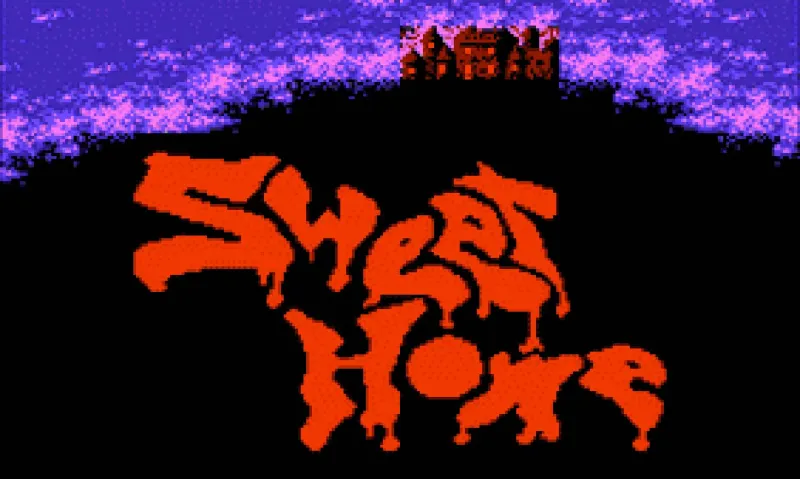
Fujiwara’s most significant contribution to the gaming industry, however, might be an often-overlooked RPG for Nintendo’s first console that never officially released outside Japan. Entitled Sweet Home, Fujiwara’s project sounds like a game bound for obscurity; it was an adaptation of a low-budget Japanese horror film that served as an early experiment in video game horror. In spite of all this, Sweet Home became a cult hit and went on to inspire the Resident Evil franchise as well as the entire survival horror genre.

Film Fright

At some point in the late ‘80s, Capcom began talking with Japanese film company Itami Productions about making a game based on the then-upcoming film Sweet Home. The gory horror flick centered on a small crew of documentarians who break into the abandoned country home of a famous artist named Ichirō Mamiya. According to legend, 30 years previously Ichirō hid several precious frescos somewhere inside his home, and the fictional film crew hope to uncover these lost treasures for a documentary. Unfortunately, a mysterious ghost traps the crew inside the late artist’s house, kicking off a series of paranormal events ultimately leading to their demise.

Before the film’s theatrical debut, Capcom sent Fujiwara to walk through the set and talk with the film’s director. Fujiwara and his team used reference materials from this visit to create many of the objects and environments in the game. When it came to the script, however, Fujiwara took several liberties, often elaborating on story elements that were only hinted at in the film.

For example, at one point in the movie, the fictional documentarians stumble upon a small grave. The crew then discovers that the grave belonged to Ichirō’s infant son, who had died tragically after accidentally falling into a furnace. Devastated by this event, Ichirō’s wife kills herself and begins haunting their home.

This plot point isn’t developed further in the film, but in the game, Fujiwara added a series of collectable diary entries that expand on the narrative. These diaries explain how Ichirō’s wife was driven crazy after the death of her child, and how she proceeded to lure other young children to their deaths so her son would have playmates in the afterlife. Thronging with premature souls, Ichirō’s house eventually becomes a hotspot of paranormal activity.

It was unprecedented in the late ‘80s for a video game to expand on a film’s narrative in this way. Most games of the era were lucky if they could accurately communicate the main beats of the film they were adapting, let alone embellish the narrative. Fujiwara, on the other hand, knew games were capable of doing more than was expected of them, and this push to explore the limits of the gaming medium can be seen in every element of Sweet Home’s design.

Scared 8-bitless

Since Fujiwara’s game was based on a movie, developing its story was relatively easy. However, Fujiwara had few reference points when it came to designing Sweet Home’s gameplay. A few early PC titles had played around with horror themes, such as Nostromo and 3D Monster Maze, but games rarely delivered the kind of oppressive atmosphere Fujiwara wanted. In 2003, Fujiwara told the Japanese gaming magazine Continue he wanted Sweet Home’s gameplay to be an interesting mix of unconventional concepts and an attempt to do something the industry hadn’t seen before.

Many of Sweet Home’s gameplay concepts still sound fresh even by today’s standards. Players control five different heroes as they explore Ichirō’s mansion and participate in random turn-based RPG encounters. Unlike most RPGs, however, monsters didn’t drop money or items. Instead, Fujiwara thought it would be more interesting if players collected important story items in the world and then used those items to open up new areas – a gameplay system that would later become a staple of the survival horror genre.

Players could also group their heroes into teams of up to three, but that meant one team was always short by at least one member. Characters also had special items that gave them unique abilities. For example, one character had a lighter that could burn away ropes blocking corridors and doorways, while another character had a first-aid pack that could neutralize status ailments. The difficulty ramped up significantly if party members started to die thanks to a permadeath system. However, Sweet Home remembered those who sacrificed themselves for the greater good and delivered one of five different endings based on players’ actions throughout the game.

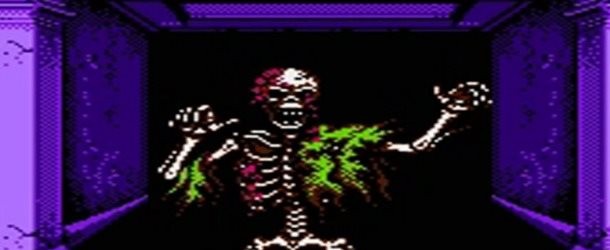
One of Sweet Home’s most impressive features was successfully selling the horror experience on Nintendo’s 8-bit console. As players explored the mansion, furniture would suddenly move to attack them, ghosts could be seen fluttering down the hall out of the corner of the screen, and distorted animal’s sounds would be heard echoing though the mansion’s blood-scrawled walls. Sweet Home’s graphics seem crude by today’s standards, but when players first got their hands on the game two-and-a-half decades ago, many of them were too scared to play in the dark. Fujiwara had accomplished his goal: No one had ever seen anything like Sweet Home before.

A Reign Of Terror

Sweet Home released in Japan in 1989 for Nintendo’s Famicom, and received generally favorable reviews. The film’s official trailer actually helped promote the game, and many reviewers thought the game was the better product.

Unfortunately, RPGs had an unproven track record in the U.S. at the time, and Nintendo of America’s stringent release guidelines showed preference for kid-friendly content, so Capcom decided against localizing the game for the NES in Western markets. Despite that decision, Sweet Home’s legacy would be felt worldwide.

Years later, after the release of Sony’s first PlayStation console, Fujiwara was still fond of his work on Sweet Home. Now a producer at Capcom, Fujiwara felt like it was time for the company to remake Sweet Home as a new franchise using updated console technology. He handed the project to a creative young director named Shinji Mikami.

Resident Evil – as it would come to be called – was groundbreaking for a lot of reasons and deserves its spot in gaming’s hall of fame. However, many of Resident Evil’s most iconic elements, including the mansion setting, multiple protagonists with specialized items, environmental puzzles, telling a story though scattered notes, item management with a limited inventory, and even the door loading screen are all on display in Sweet Home. Resident Evil – and the entire horror genre – owe a blood debt to this long-forgotten 8-bit game that had no right to be as good as it was.


This feature, covering the history of the game, would go on to inspire Resident Evil and originally appeared in Issue 282 of Game Informer.


from Game Informer https://ift.tt/2zBDCrX
via IFTTT

Mobile games

On this week's episode of All Things Nintendo, we have a surprising amount of topics to chat about. Host Brian Shea is joined by Ky Parker aka Captain Dangerous to talk about her work as a toy photographer and set builder, and what means to be a Nintendo Ambassador. They also chat about all the news coming from the world of Nintendo before Brian gives his review on this week's big release: Mario Party Superstars.

If you'd like to follow the people from this episode on Twitter: Brian Shea (@brianpshea), Ky Parker (@CaptDangerous64)

The All Things Nintendo podcast is a weekly show where we can celebrate, discuss, and break down all the latest games, news, and announcements from the industry's most recognizable name. Each week, Brian is joined by different guests to talk about what's happening in the world of Nintendo. Along the way, they'll share personal stories, uncover hidden gems in the eShop, and even look back on the classics we all grew up with. A new episode hits every Friday!

Be sure to subscribe to All Things Nintendo on your favorite podcast platform. The show is available on Apple PodcastsSpotify, and Google Podcasts.


00:00:00 – Introduction
00:01:03 – Captain Dangerous Interview
00:27:10 – Advance Wars 1+2 ReBoot Camp Delayed
00:32:13 – Grand Theft Auto: The Trilogy – The Definitive Edition Release Date
00:35:11 – Death's Door Coming to Switch
00:36:36 – Pokémon Legends: Arceus New Hisuian Forms
00:39:54 – Pikmin Bloom
00:45:25 – Hyrule Warriors: Age of Calamity DLC
00:48:25 – Marvel's Guardians of the Galaxy
00:50:55 – N64 and Genesis Games on Switch
00:58:43 – Mario Party Superstars
01:18:20 – Definitive Ranking: Mario Party Minigames
01:27:58 – eShop Gem of the Week: Blasphemous


If you'd like to get in touch with the All Things Nintendo podcast, you can do so by emailing AllThingsNintendo@GameInformer.com, tweeting to Brian (@BrianPShea), or by joining the official Game Informer Discord server. You can do that by linking your Discord account to your Twitch account and subscribing to the Game Informer Twitch channel. From there, find the All Things Nintendo channel under "Community Spaces."


For more Game Informer podcasts, be sure to check out The Game Informer Show, which covers the weekly happenings of the video game industry, and Video Gameography with host Ben Reeves, which explores the history of video games – one series at a time!


from Game Informer https://ift.tt/3mqOyyK
via IFTTT

Android Games

If there’s one thing we all have in common, it’s that we’re scared of something. If you’re saying right now, “I ain’t scared of anything,” well, come on, you know there’s that something that makes your spine shiver. For me, it’s death and suffocating spaces. Oh, and Michael Myers, too. Fortunately, there aren’t any games based on Halloween out there for me to play (although the famed slasher is a playable killer in the excellent asymmetrical multiplayer horror, Dead by Daylight). 

However, there’s plenty of games where you die. You can die in most games, though, but the ones that really emphasize those deaths are the ones that leave me shaking in my boots. Add a touch of claustrophobia to the formula and you’ve created my nightmare. My all-time favorite horror game is something some might not necessarily consider a game in that genre, but it spooks me nonetheless: BioShock

For starters, I’m claustrophobic and Rapture is perhaps the most claustrophobic in-game city ever made (you know, the whole completely underwater thing is quite suffocating). Then there’s the submechanophobia, which is the fear of mechanical objects underwater. I blame Disney World for this one – something about an animatronic moving underwater just freaks me out. Oh, and the Splicers are terrifying, too, of course. BioShock doesn’t scare me too much these days as I’ve played it probably near a dozen times, but if you haven’t yet played it, go in blind and enjoy. 

There are others that really get under my skin, too. The recent Resident Evil 2 Remake does the trick. Stuck in a terrifyingly hostile place? Check. Zombies that want to eat you? Check. Jump scares galore? Check. Extremely graphic deaths? Check. Large menace that stalks you constantly? Check. There’s this year’s Resident Evil Village, as well. I won’t spoil it here, but the House Beneviento segment in it is downright disturbing. Then there’s Outlast 2, which is perhaps the most disturbing and terrifying game I’ve ever played. I don’t go to church, but I felt like I needed to after finishing it. 

Some other horror highlights in my history include P.T., Resident Evil 7, Little Nightmares, Friday the 13th, the hospital in The Last of Us Part 2, and Condemned: Criminal Origins (a game I played way too young). 

What about you? What’s your favorite horror game? Are there any games you’re too scared to play? What are your favorite horror moments in otherwise non-horror games? Let us know in the comments below!


from Game Informer News https://ift.tt/2Zzr9lI
via IFTTT
Mobile games

If there’s one thing we all have in common, it’s that we’re scared of something. If you’re saying right now, “I ain’t scared of anything,” well, come on, you know there’s that something that makes your spine shiver. For me, it’s death and suffocating spaces. Oh, and Michael Myers, too. Fortunately, there aren’t any games based on Halloween out there for me to play (although the famed slasher is a playable killer in the excellent asymmetrical multiplayer horror, Dead by Daylight). 

However, there’s plenty of games where you die. You can die in most games, though, but the ones that really emphasize those deaths are the ones that leave me shaking in my boots. Add a touch of claustrophobia to the formula and you’ve created my nightmare. My all-time favorite horror game is something some might not necessarily consider a game in that genre, but it spooks me nonetheless: BioShock

For starters, I’m claustrophobic and Rapture is perhaps the most claustrophobic in-game city ever made (you know, the whole completely underwater thing is quite suffocating). Then there’s the submechanophobia, which is the fear of mechanical objects underwater. I blame Disney World for this one – something about an animatronic moving underwater just freaks me out. Oh, and the Splicers are terrifying, too, of course. BioShock doesn’t scare me too much these days as I’ve played it probably near a dozen times, but if you haven’t yet played it, go in blind and enjoy. 

There are others that really get under my skin, too. The recent Resident Evil 2 Remake does the trick. Stuck in a terrifyingly hostile place? Check. Zombies that want to eat you? Check. Jump scares galore? Check. Extremely graphic deaths? Check. Large menace that stalks you constantly? Check. There’s this year’s Resident Evil Village, as well. I won’t spoil it here, but the House Beneviento segment in it is downright disturbing. Then there’s Outlast 2, which is perhaps the most disturbing and terrifying game I’ve ever played. I don’t go to church, but I felt like I needed to after finishing it. 

Some other horror highlights in my history include P.T., Resident Evil 7, Little Nightmares, Friday the 13th, the hospital in The Last of Us Part 2, and Condemned: Criminal Origins (a game I played way too young). 

What about you? What’s your favorite horror game? Are there any games you’re too scared to play? What are your favorite horror moments in otherwise non-horror games? Let us know in the comments below!


from Game Informer https://ift.tt/2Zzr9lI
via IFTTT

Android Games

Click here to watch embedded media

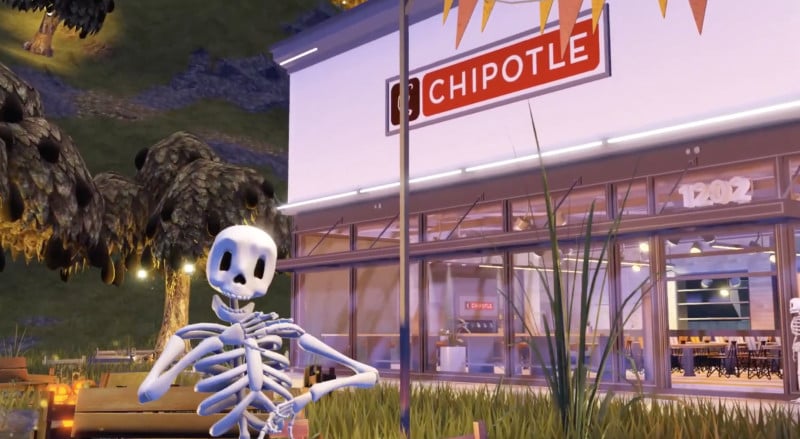
Who doesn't want a free Burrito from Chipotle? This tasty opportunity is currently being offered in Roblox through a limited Halloween-themed experience called the Chipotle Boorito Maze. On each day from October 8-31, the first 30,000 people who make it through the maze to the Chipotle restaurant will win a free (and real) burrito.

We don't know why Roblox is currently down, but the timing of it going offline for most players lines up with this promotion, leading us to believe a wave of players may be overloading the servers or there may be some problem with this new offering.

After going offline last night, Roblox is now working on recovery efforts, stating that some users are starting to have limited access to the game again. We're hoping it comes back online soon so we can all see this wild promotion with our own eyes. It reminds us of Burger King's silly Sneak King game that was sold by the chain. Roblox players can apparently dress up in a Chipotle-themed costume and are asked to track down ingredients in the maze, all while dodging monsters, too.


Have you earned your free boo-rito yet? Let us know in the comments below!


from Game Informer News https://ift.tt/3EyR3FL
via IFTTT
Mobile games

Krafton, Inc., has announced that it is going to acquire Unknown Worlds Entertainment, the developer behind Subnautica. 

This news comes by way of a press release on Krafton’s site, which reveals that it decided today that it is going to acquire Unknown Worlds. Krafton says this acquisition continues the company’s strategy of expanding and securing top-tier talent under its umbrella of studios. 

Click here to watch embedded media

“This latest decision continues Krafton’s expansion strategy of securing and investing in top-tier talent that aspires to evolve, innovate, and create new experiences,” the press release reads. “Unknown Worlds becomes Krafton’s sixth independent studio, joining a stable of other seasoned developers that include PUBG Studios, Striking Distance Studios, Bluehole Studio, RisingWings, and Dreamotion.”

As noted above, Krafton is the company behind Striking Distance Studios, which is developing The Callisto Protocol, the sci-fi horror game developed by Dead Space co-creator Glen Schofield set in the PUBG universe. Now, Krafton has another horror (look, trying to survive underwater in Subnautica is scary) developer under its umbrella in Unknown Worlds. 

“It was immediately apparent how closely Unknown Worlds and Krafton are aligned in the way we think about games and game development,” Unknown Worlds CEO Charlie Cleveland says in the press release. “Subnautica and PUBG both started humbly and evolved successfully through constant iteration and feedback. We want to bring new games to the world stage – and with Krafton, we’re a big step closer. We’re truly looking forward to our future together.” 

Click here to watch embedded media

Krafton says Unknown Worlds will continue to work as an independent studio, despite the acquisition, as it wants the studio’s structure and leadership to remain in place so that it can retain its “unique creative identity.” The press release also reveals that Unknown Worlds is “currently working on a new genre-defining game, which is slated to launch into early access in 2022.” 

No other details about this game now in development were revealed, but with it launching into early access next year, it seems it will follow the route of Subnautica: Below Zero. While waiting to see what that game is, check out our thoughts on Subnautica in Game Informer’s Subnautica review and then read our thoughts on its frozen sequel in Game Informer’s Subnautica: Below Zero review.


Do you want to see a Subnautica battle royale? Let us know in the comments below!


from Game Informer https://ift.tt/3bplQYM
via IFTTT
Android Games

Krafton, Inc., has announced that it is going to acquire Unknown Worlds Entertainment, the developer behind Subnautica. 

This news comes by way of a press release on Krafton’s site, which reveals that it decided today that it is going to acquire Unknown Worlds. Krafton says this acquisition continues the company’s strategy of expanding and securing top-tier talent under its umbrella of studios. 

Click here to watch embedded media

“This latest decision continues Krafton’s expansion strategy of securing and investing in top-tier talent that aspires to evolve, innovate, and create new experiences,” the press release reads. “Unknown Worlds becomes Krafton’s sixth independent studio, joining a stable of other seasoned developers that include PUBG Studios, Striking Distance Studios, Bluehole Studio, RisingWings, and Dreamotion.”

As noted above, Krafton is the company behind Striking Distance Studios, which is developing The Callisto Protocol, the sci-fi horror game developed by Dead Space co-creator Glen Schofield set in the PUBG universe. Now, Krafton has another horror (look, trying to survive underwater in Subnautica is scary) developer under its umbrella in Unknown Worlds. 

“It was immediately apparent how closely Unknown Worlds and Krafton are aligned in the way we think about games and game development,” Unknown Worlds CEO Charlie Cleveland says in the press release. “Subnautica and PUBG both started humbly and evolved successfully through constant iteration and feedback. We want to bring new games to the world stage – and with Krafton, we’re a big step closer. We’re truly looking forward to our future together.” 

Click here to watch embedded media

Krafton says Unknown Worlds will continue to work as an independent studio, despite the acquisition, as it wants the studio’s structure and leadership to remain in place so that it can retain its “unique creative identity.” The press release also reveals that Unknown Worlds is “currently working on a new genre-defining game, which is slated to launch into early access in 2022.” 

No other details about this game now in development were revealed, but with it launching into early access next year, it seems it will follow the route of Subnautica: Below Zero. While waiting to see what that game is, check out our thoughts on Subnautica in Game Informer’s Subnautica review and then read our thoughts on its frozen sequel in Game Informer’s Subnautica: Below Zero review.


Do you want to see a Subnautica battle royale? Let us know in the comments below!


from Game Informer News https://ift.tt/3bplQYM
via IFTTT